African Fashion
Empowering African Fashion Designers to Thrive Amid Rolling Blackouts
Are rolling blackouts derailing your creativity and business operations?
Across Africa, power outages are not just an inconvenience—they are a significant obstacle to growth and profitability. For fashion designers, energy disruptions can lead to stalled production, missed deadlines, and higher costs. The stakes are high, and it’s time to find lasting solutions.
The Blackout Crisis: A Persistent Challenge Across Africa
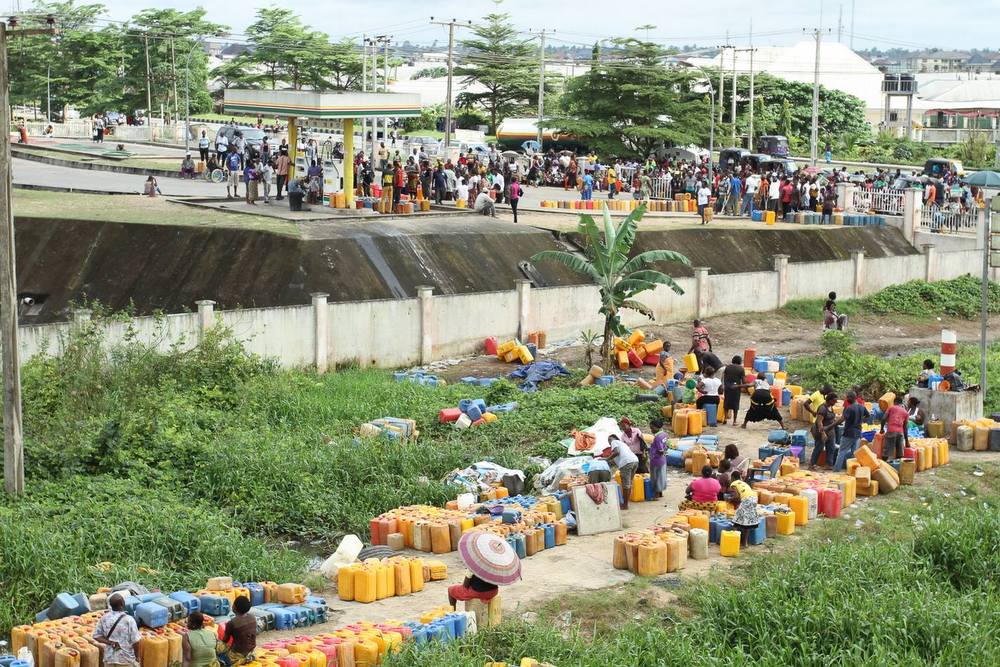
Rolling blackouts, also known as load shedding, have been a defining challenge in several African nations, with devastating effects on businesses, particularly in energy-intensive sectors like fashion design. Here’s the reality:
- South Africa: Load shedding began in 2007, and in 2023 alone, the country experienced over 200 days of power cuts, with daily outages lasting up to 10 hours. Businesses report losses of billions of rands annually.
- Nigeria: With a grid capacity of just 4,500 MW for a population of over 200 million, outages occur almost daily. Many businesses rely on diesel generators, which have seen fuel prices surge by over 200% in recent years.
- Zimbabwe: In 2022, power cuts extended up to 19 hours a day in some regions due to droughts affecting hydroelectric plants.
- Kenya: Although strides in renewable energy are being made, localized outages disrupt industries regularly, with power availability dropping below 75% reliability in some regions.
- Zambia: Severe drought conditions in 2024 reduced usable water in Lake Kariba to just 4.9%, leading to the shutdown of most hydroelectric units. The country faces rolling blackouts lasting up to 17 hours daily, with a power deficit of 1,300 MW.
The Cost of Energy: A Heavy Burden for Businesses
Fashion designers already face tight profit margins. Add soaring energy costs, and the challenge intensifies:
- Generator Costs: Diesel or petrol generators cost $300–$5,000 upfront, with running costs exceeding $0.50 per kWh, making them unsustainable for small businesses.
- Solar Power: While solar installations offer long-term savings, initial costs range from $3,000–$20,000, depending on capacity.
- Battery Storage:
- Lead-acid batteries last 1–2 years and are cheaper but less efficient.
- Lithium-ion batteries, though costly (starting at $500 per unit), can last up to 20 years with proper care.
The price of energy solutions often forces businesses to make hard choices—sacrificing quality, productivity, or growth to stay afloat.

The Business Impact: Statistics
Power outages lead to:
- 50% productivity loss: Businesses can lose up to half their output during blackouts.
- 20–30% higher costs: Generators and backup systems inflate operating expenses.
- Unmet deadlines: Inconsistent power disrupts sewing, pattern cutting, and finishing processes, frustrating clients.
“Without reliable energy, your business operates at the mercy of the grid. Can you afford that risk?”
Why Join This Event?
We’re here to help you overcome these challenges with expert guidance tailored to your needs. At our event, you’ll learn to:
- Analyze Your Energy Requirements: Get insights into your daily power consumption and how it impacts costs.
- Evaluate Backup Solutions: Understand the pros and cons of generators, solar, and battery storage.
- Create a Financially Sound Plan: Find the balance between upfront investment and long-term sustainability.
- Optimize Operations During Outages: Leverage creative strategies to keep production running smoothly.
Event Details
📅 Date: Tuesday, 10th January 2025
🕒 Time: 8:00 PM – 10:00 PM (Central African Time)
📍 Location: Online (Event details will be emailed to you)
👗 Who Should Attend: African fashion designers, small business owners, and creative entrepreneurs.
💰 Cost: Only $5
Sign Up Now to Take Control of Your Business
Don’t let blackouts define your success. With the right strategy, you can reduce energy costs, maintain productivity, and keep your designs on track—no matter the power situation.

Join the Movement for Sustainable Fashion Businesses
Together, we can create a future where energy challenges don’t limit creativity or success. Take the first step today.